Welcome to Cangzhou Kaiwei Auto Parts Co., LTD.!


Achieving Smooth Rides: The Importance of Low-Noise Differential Gears in Automotive Performance
Release time:
2025-09-03 16:40
A differential gear is a mechanical device that splits the engine torque into two outputs, allowing the wheels to rotate at different speeds, especially during turns. This mechanism is vital for maintaining traction and control. In simple terms, the differential enables the outside wheel to travel further than the inside wheel, which is particularly important when navigating curves. Understanding the intricacies of differentials is fundamental to appreciating how low-noise versions enhance vehicle performance.
The Components of a Differential Gear
A typical differential consists of several key components:
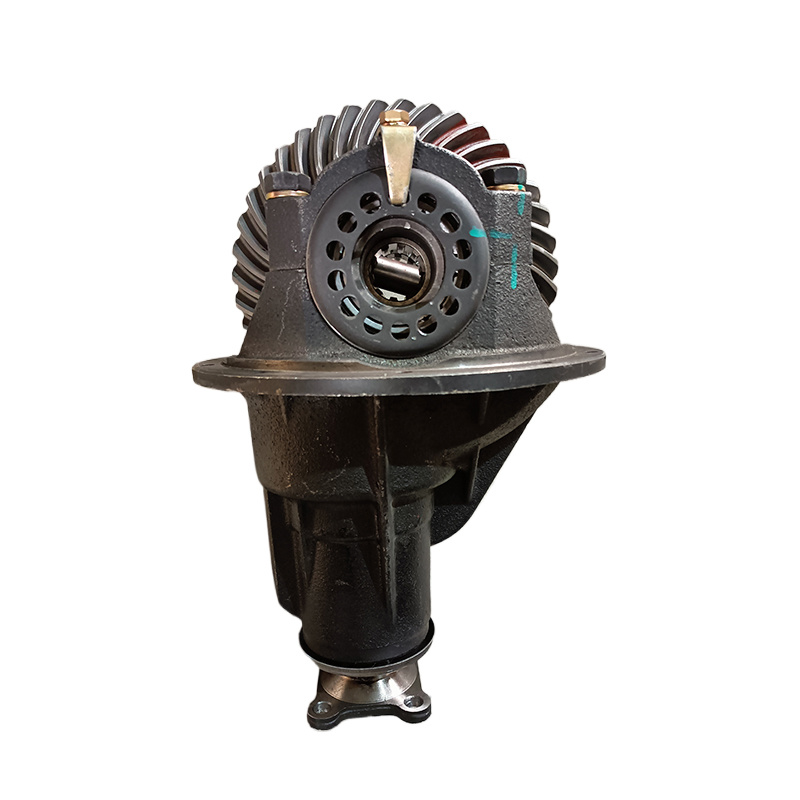
- Ring Gear: The large gear connected to the driveshaft, responsible for transmitting power.
- Pinion Gear: A smaller gear that meshes with the ring gear and delivers torque.
- Spider Gears: Small gears within the differential that allow for the variance in wheel speed.
- Case: The housing that contains the differential components.
The Mechanics of Differential Gears
The functioning of differential gears involves a complex interaction of mechanical principles. When a vehicle turns, the wheels on the outside of the turn travel a greater distance than those on the inside. The differential allows the wheels to rotate at different speeds without causing excessive tire wear or loss of control. The efficiency of this mechanism significantly impacts the overall driving experience.
How Low-Noise Differential Gears Work
Low-noise differential gears utilize advanced engineering and materials to minimize friction and vibration, resulting in a quieter operation. The design focuses on optimizing gear tooth geometry, using high-quality lubricants, and incorporating noise-dampening technologies. These improvements not only contribute to a reduction in noise but also enhance gear life and performance.
The Significance of Low-Noise Differential Gears
The importance of low-noise differential gears extends beyond mere comfort. They play a critical role in various aspects of automotive performance:
- Driving Comfort: A quieter ride enhances the overall driving experience, making long journeys more enjoyable.
- Vehicle Longevity: Reduced noise and vibration lead to less wear on other components, prolonging the life of the vehicle.
- Improved Fuel Efficiency: Low-noise gears often feature designs that reduce drag, contributing to better fuel economy.
- Enhanced Safety: Quieter operation allows drivers to focus on the road, improving situational awareness.
Benefits of Low-Noise Differential Gears
Investing in low-noise differential gears yields numerous advantages, both for manufacturers and consumers:
1. Increased Driver Satisfaction
A smooth and quiet ride significantly enhances driver satisfaction. Passengers enjoy a peaceful environment, making it easier to converse or listen to music without distractions.
2. Superior Performance
Low-noise differential gears contribute to smoother acceleration and deceleration. This performance enhancement is especially noticeable in high-end vehicles where precision engineering is crucial.
3. Reduced Maintenance Costs
By minimizing wear and tear on drivetrain components, low-noise differential gears can reduce maintenance costs over time. Fewer repairs and replacements contribute to overall savings for vehicle owners.
4. Environmental Benefits
Quieter vehicles produce less noise pollution, contributing positively to the environment. This aspect is increasingly important in urban areas where noise regulations are becoming stricter.
5. Enhanced Technological Integration
Modern low-noise differential gears often integrate seamlessly with advanced driver-assistance systems (ADAS), improving overall vehicle functionality and safety.
Technological Advancements in Differential Gears
The automotive industry continually evolves, and advancements in differential gear technology are at the forefront of this progress. Several key innovations have emerged:
1. Precision Manufacturing Techniques
Advances in manufacturing technology, including computer numerical control (CNC) machining and additive manufacturing, allow for more precise gear production. This precision results in improved meshing and reduced noise levels.
2. High-Performance Materials
New materials, such as composites and advanced alloys, provide enhanced strength and durability while minimizing weight. These materials contribute to lower noise levels during operation.
3. Noise-Dampening Technologies
Incorporating noise-dampening features, such as vibration-absorbing mounts and sound-insulating materials, helps create a quieter cabin environment, significantly enhancing passenger comfort.
4. Advanced Lubricants
Specialized lubricants designed for low-friction applications help reduce friction between gear teeth, resulting in quieter operation and improved efficiency.
How to Choose the Right Low-Noise Differential Gear
Selecting the right differential gear is crucial for optimal performance. Here are some factors to consider:
1. Vehicle Type and Usage
Consider the type of vehicle and its intended use. Performance vehicles may benefit from specialized gears tailored for high-speed applications, while everyday vehicles may prioritize longevity and comfort.
2. Gear Ratios
Gear ratios play a significant role in vehicle dynamics. A lower ratio may provide better acceleration, while a higher ratio can enhance fuel efficiency. Assess your driving needs to choose the appropriate ratio.
3. Compatibility
Ensure that the selected differential gear is compatible with your vehicle's drivetrain. Consult the manufacturer’s specifications or a qualified mechanic for advice.
4. Quality and Brand Reputation
Choose reputable brands known for producing high-quality differential gears. Investing in well-reviewed products can lead to better performance and lower long-term costs.
Maintenance of Differential Gears for Optimal Performance
Proper maintenance of differential gears is essential to ensure longevity and performance. Follow these guidelines for optimal care:
1. Regular Inspections
Conduct regular inspections of the differential system to identify potential issues early. Look for signs of leaks, unusual noises, or performance changes.
2. Fluid Changes
Changing the differential fluid at recommended intervals is crucial. High-quality lubricants help maintain optimal performance and minimize wear on components.
3. Professional Servicing
Consider professional servicing for complex differential systems. Mechanics can provide insights and perform necessary repairs or adjustments to enhance performance.
4. Monitor Driving Habits
Avoid aggressive driving behaviors that can lead to excessive strain on differential components. Smooth driving promotes longevity and reduces the risk of noise and vibration issues.
In summary, low-noise differential gears are vital for achieving smooth rides and enhancing automotive performance. By understanding their mechanics, benefits, and how to maintain them, vehicle owners can enjoy a quieter, more comfortable driving experience. As technology continues to advance, investing in high-quality low-noise differential gears will be instrumental in enhancing vehicle longevity, performance, and driver satisfaction.
RELATED INFORMATION
2025-01-08
The difference between the steering gear and the main reducer assembly
The main function of the main reducer assembly is to decelerate the power output by the engine and increase the torque to meet the needs of the vehicle's driving wheels; while the main function of the steering gear is to convert the driver's steering operation into the steering action of the wheels.
2025-01-08
The characteristics of the direction machine
The steering gear is driven by precise gears or racks to ensure that the driver's steering operation can be accurately transmitted to the wheels to achieve precise steering control.
2025-01-08
The working principle of the direction machine
The steering gear is a key component in the car steering system. Its main function is to convert the driver's steering operation (such as turning the steering wheel) into the steering action of the wheels.
2025-01-08
The working principle of the main reducer assembly
Power input: The engine transmits power to the input shaft of the final drive through the drive shaft (usually connected to the crankshaft of the engine).
2025-01-08
The main function of the main reducer assembly
The output power of the engine is certain. When the transmission speed is reduced by the main reducer, a higher output torque can be obtained.
2025-01-08
Type of final drive assembly
Single-stage final reducer: It is composed of a driving gear and a driven gear, that is, basin angle teeth. The driving bevel gear is connected to the drive shaft and rotates clockwise, and the driven half gear is attached to its right toothing point and rotates downward in line with the forward direction of the wheel.
WhatsApp:
Tel:
Email:
Address:
Hejian City, Cangzhou, Hebei Province

With rich experience in auto parts manufacturing, cutting-edge design, research and development, implementation and operation team.
Product Quick Entry
online message